
Brown vs. The Miseducation of America
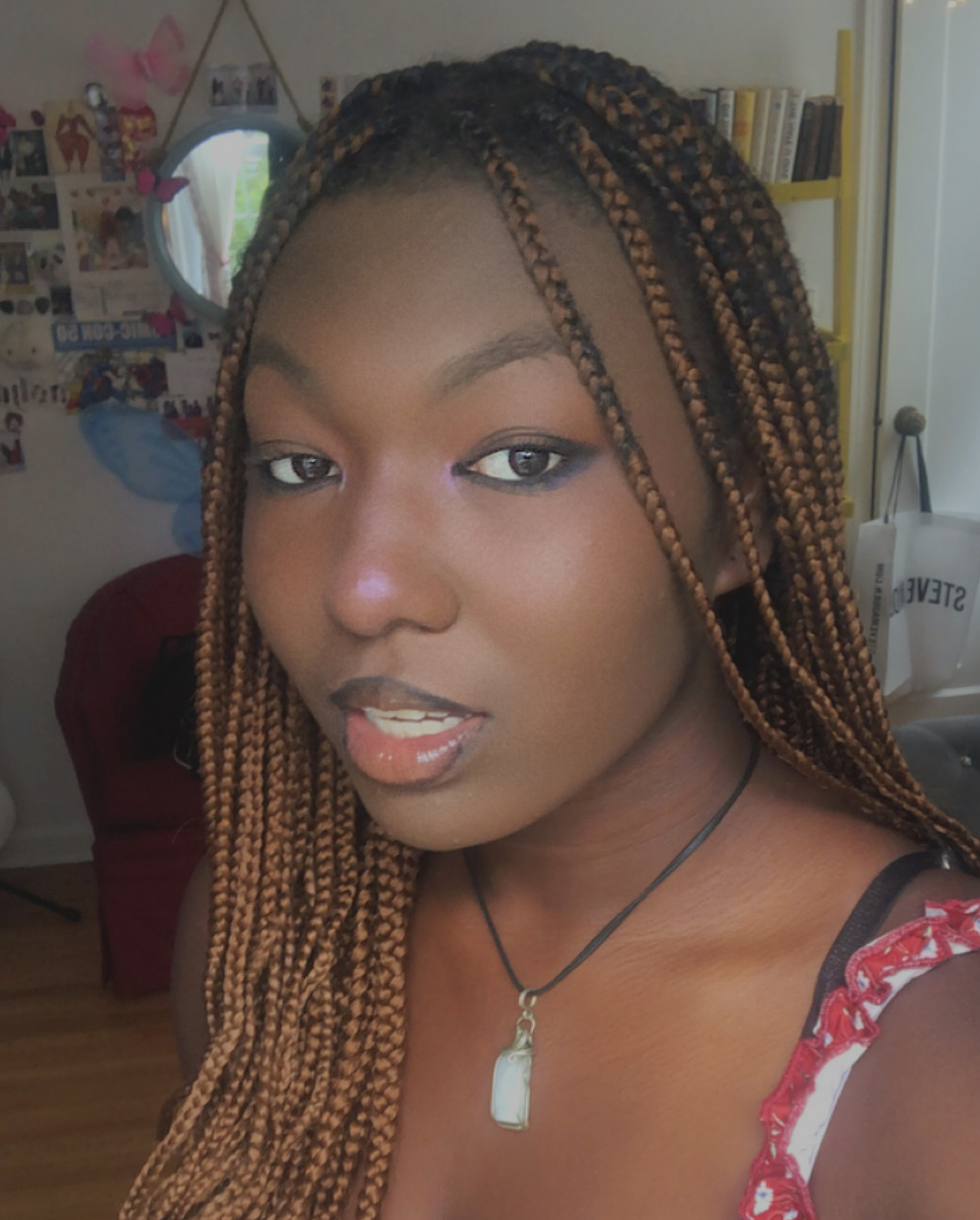
The first time I am called a “nigga” I am in the 3rd grade. All brown skin, pink and white beads in my hair, toothy smile…nigga. That day I learned that before anything, I’m black, before I’m a child, before I’m a girl, before I am smart, happy, funny, or talented, I am black. That day, the boy who had called me slur faced little consequences. He told my principal that he had just heard the word in a song.
I am 15 when “I can’t breathe” becomes the hashtag of the Black Lives Matter movement, for the second time. I wonder why this is the state of our nation, where a man can be slowly suffocated and murdered, in broad daylight. I wonder who the police actually protect and save.
I am 16 when the January 6, 2021 insurrection occurs. Outraged, I remarked to my Social Studies teacher that if the “protestors” had been black and brown, they would not have reached the Capitol steps. To my dismay, he responds, “There is no way to know”. Crippled with disappointment, I raise the multitude of peaceful Black Lives Matter protests that were met with tear gas, batons, and arrests and wonder why this evidence is not enough.
As a black woman in America, my feelings—and my personhood—are often downplayed. I’m told that I’m dramatic, obnoxious, “causing a scene.” Growing up, I was always cautious of being too loud. I feared taking up space, desperately trying not to have the “angry black girl” stereotype taped to my back. These experiences fuel my pen and ignite my voice line by line. I’ve assembled this essay as the evidence in the court case of my life “Brown v. Miseducation of America”. I am grasping, pleading with the audience to listen, to understand, to educate.
Exhibit A: the “N-word” is a word, and needs to be taught as such; the heaviness and the pain it carries can only be taken back by black people. Only through teaching it, and its history, will the youth understand that.
Exhibit B: Police brutality; injustice is injustice, regardless of the authority figure executing it. The police force’s origins in slave-catching and decades of mass incarceration must be taught so that all students will understand that the level of force being exercised with black and brown people is never necessary.
Exhibit C: Color blindness is blindness. Without addressing the unique experience of black people in America, you cannot begin to address America at all. Pretending as if race is not a prominent factor in every single walk of life is the true example of miseducation.
Today, I know that before anything, I am black. I know that the history and culture that I carry is powerful and eternal. Every black child should know and feel that confidence and pride without experiencing a direct attack on their personhood, but instead, learn their full, rich history, before, during and post-slavery.